How to Design a Home That Feels Like You

Designing a home is not about following trends or creating a picture-perfect space, it is about creating a place that reflects who you are, how you live, and what you value. The most successful interiors are not just beautiful; they feel natural, intuitive, and deeply personal.
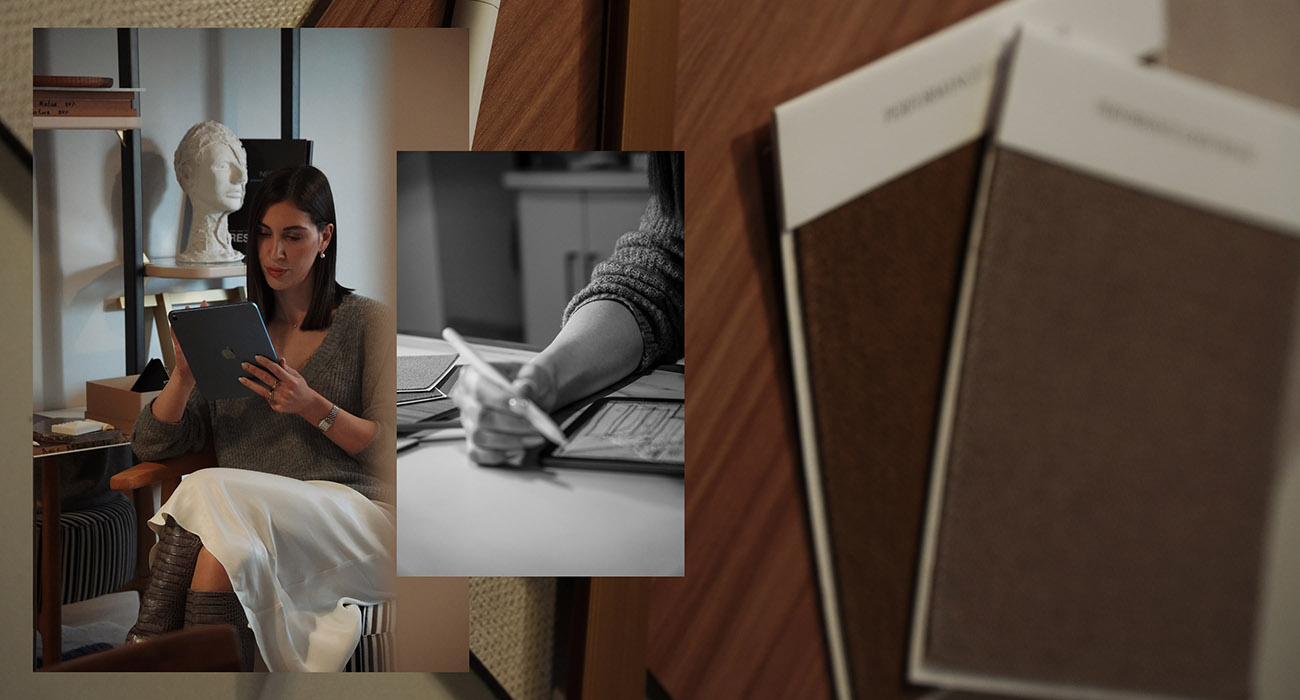
From a designer’s perspective, the process always begins with understanding. Before any concept is created, before materials are selected, we look beyond the space itself and focus on the person who will live in it.
A home that truly feels like you is built on the right input.
We often ask questions that go beyond aesthetics:
- How do you start your day?
- Where do you naturally spend most of your time?
- Do you prefer calm and minimal environments, or layered and expressive ones?
- Do you entertain often, or is your home your private retreat?
These insights shape everything. They help define not only the layout, but also the atmosphere, the rhythm of the space, and the level of openness or intimacy it should have.
One of the most important things a designer needs is honest feedback. Not in technical terms, but in feelings. What do you like, and just as importantly, what do you not like? Sometimes a single sentence like “this feels too cold” or “I want to feel relaxed when I walk in” can guide an entire direction more clearly than a reference image.
Visual references are helpful, but they are only a starting point. A home should never be a copy of something seen elsewhere. Instead, those references help us understand your sensibility, your preferred materials, tones, and overall mood, so we can translate them into something unique.
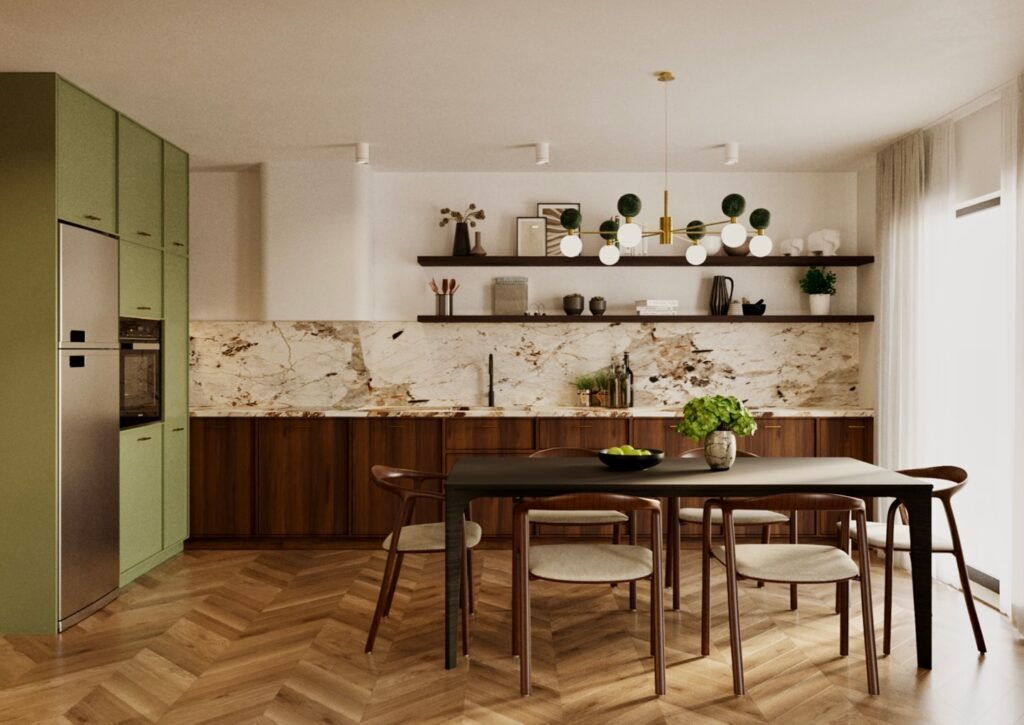
Another key aspect is trust in the process. Designing a home happens in layers. From concept to execution, each phase builds on the previous one. When there is clear communication and mutual trust, the result is always stronger, more refined, and more aligned with your expectations.
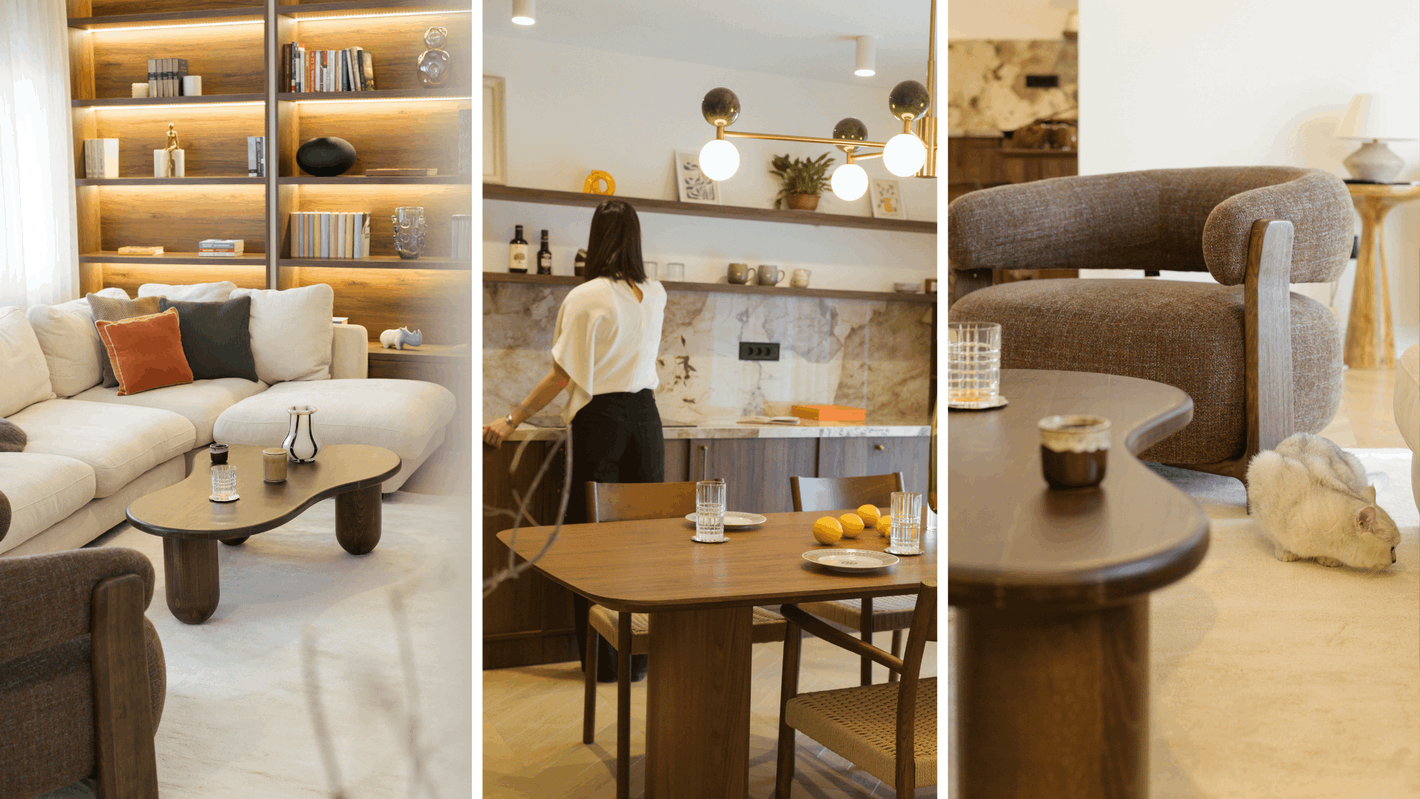
Details are where personality truly comes to life. It is not only about furniture or finishes, but about how a space is used. The reading corner you return to, the lighting that sets the mood in the evening, the materials that feel familiar under your hand, these are the elements that turn a space into a home.
Functionality is equally essential. A well-designed interior should support your everyday life effortlessly. Good design adapts to you, not the other way around. When a space works naturally, it allows you to live more freely within it.
In the end, designing a home that feels like you is a collaboration. It is a dialogue between your lifestyle and our expertise, between your vision and our interpretation.
Because the most beautiful spaces are not the ones that look perfect,
but the ones that feel right the moment you walk in.